

Blogs and News
Welcome to the Foglio blog! Here, I share insights, tips, and behind-the-scenes stories about the world of self-publishing, book design, and typography. Whether you’re an author looking for guidance on your publishing journey or a typography nerd like me, you’ll find something of interest here.

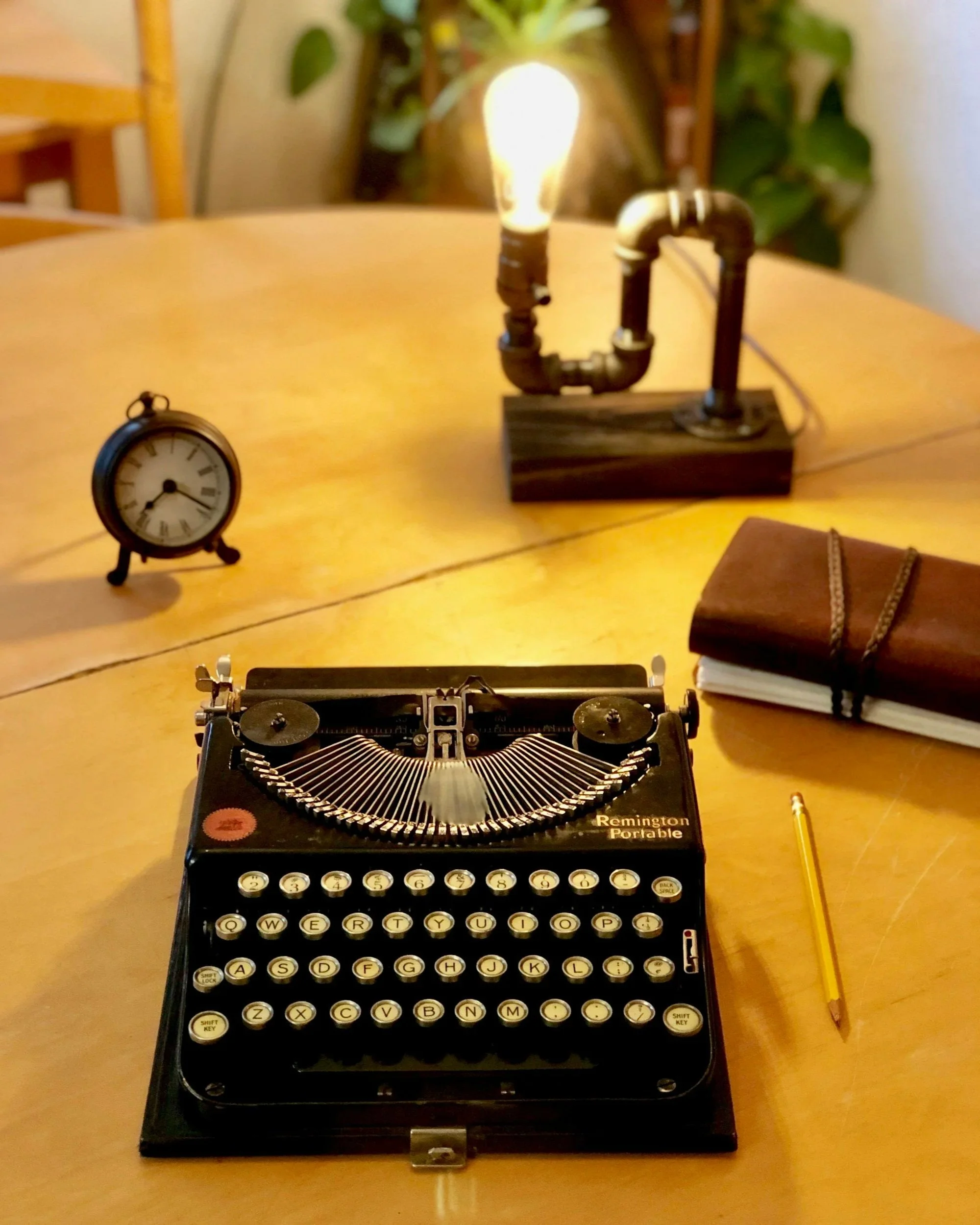



Applying Tschichold’s Page-Design Canons in 2025: A Modern Guide for Self-Published Authors
Jan Tschichold’s page canons still work in 2025. This guide shows how to choose smart trim sizes, set 1:1:2:3 margins, control line length and spacing, and keep ebooks clean and readable. You will learn how to set this up in InDesign, Affinity Publisher, and Reedsy, and how good layout can also lower print costs.
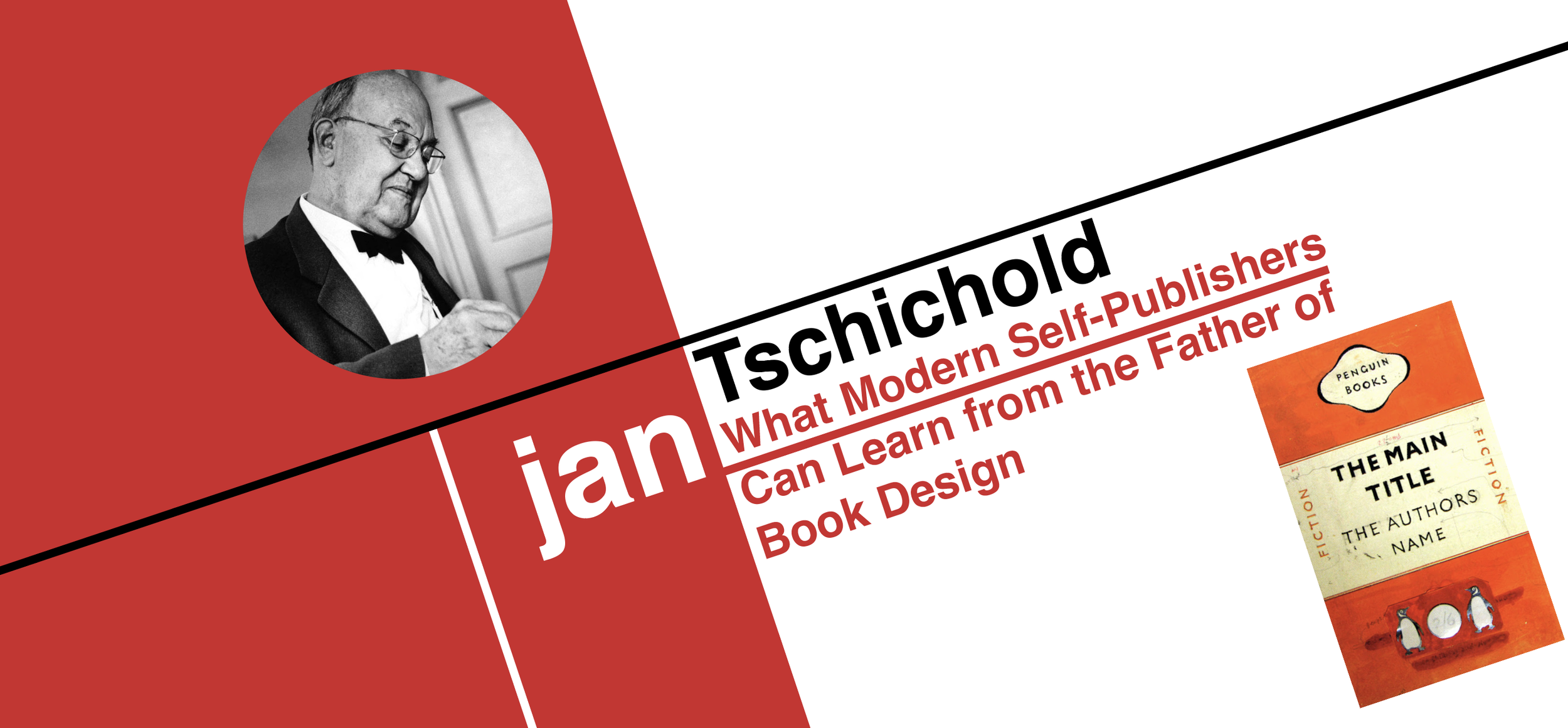
Jan Tschichold’s Timeless Rules: What Modern Self-Publishers Can Learn from the Father of Book Design
Jan Tschichold helped shape the way good books look and read. This guide explains his canons of page construction, the 1:1:2:3 margin idea, and the spirit behind the Penguin Composition Rules. If you want a calm, readable page that feels professional, these principles will help you design a self-published book that stands the test of time.
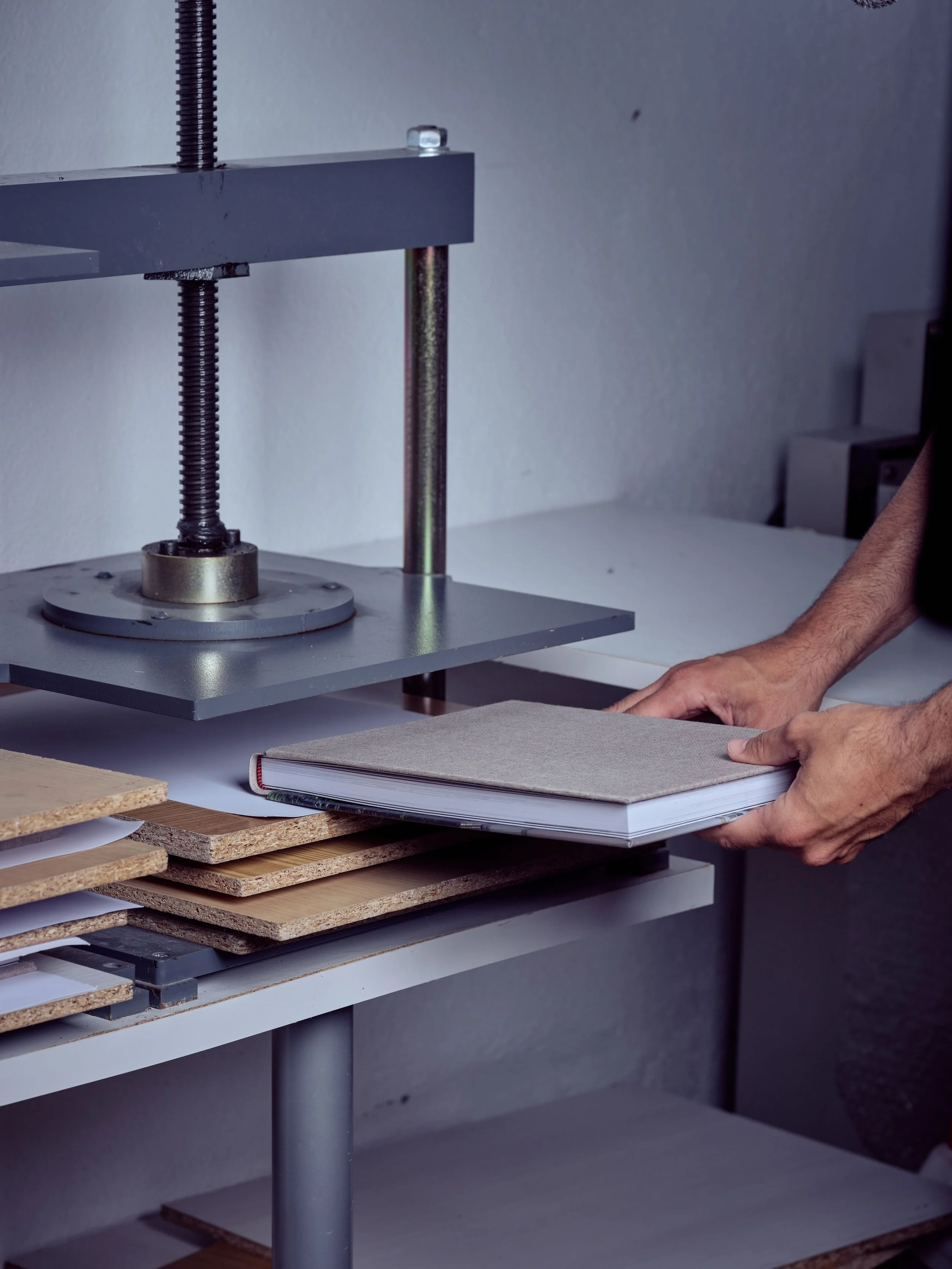
Cutting Book Production Costs: Edition Types, Paper Choices and Colour Strategies for Self-Publishers
Production costs can sneak up on first-time authors. This guide shows you how edition type, paper choice, trim size and colour use shape your per-copy price, freight, and reader experience. We cover smart ways to keep pages lean, when to pick cream or coated stock, and how POD compares with bulk runs in Canada, with clear steps you can use today.

Trim Sizes, Margins and White Space: Designing Readable Self-Published Books Without Breaking the Bank
Trim size, margins, and white space do more than decorate a page. They decide how easy your book is to read and how much each copy costs to print. This plain-English guide shows Canadian self-publishers how to pick a smart size, set clean margins, and tune type so pages feel calm, proofs pass faster, and your budget stays under control.

5 Easy Steps to Self-Publishing Success
Turning a manuscript into a published book can feel overwhelming, but it doesn’t have to be. In this guide, Michael Pietrobon of Foglio Custom Book Specialists walks you through five straightforward steps to self-publishing success. With practical tips on editing, design, distribution, and marketing—plus Canadian-specific details—you’ll gain the confidence and tools to bring your book to market the right way.

Foglio x CODE: When Self-Publishing Helps Girls Stay in School
Foglio has partnered with CODE to help girls in Liberia stay in school. Starting today, ten percent of every publishing package supports GALI with tutors, books, and mobile learning labs. You still get the same trusted cover design, formatting, editing, and ebook services. Now your book funds real change before it reaches the shelf.
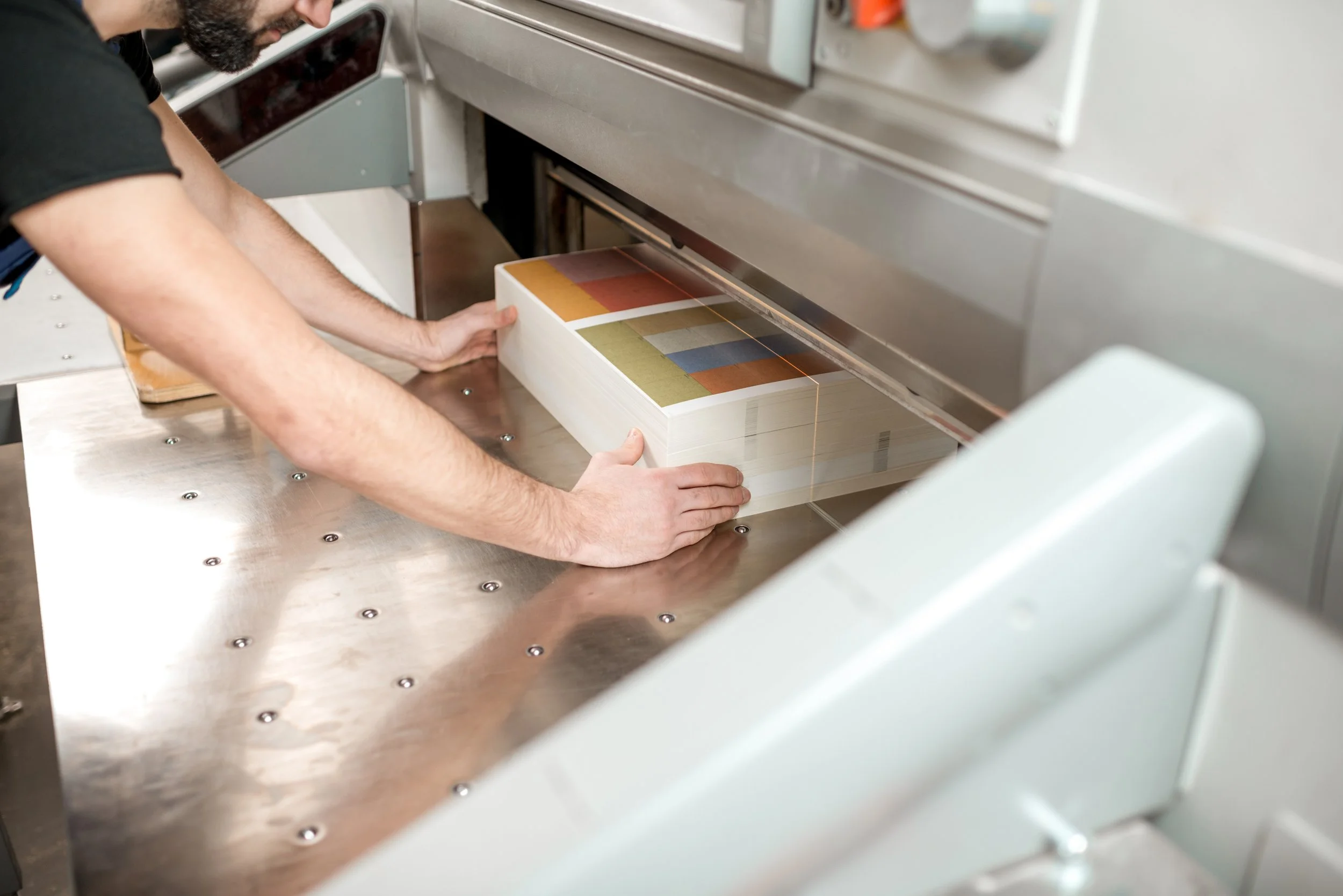
Print-on-Demand vs. Offset Printing in Canada: Pros, Cons, and Costs
Wondering whether to choose print-on-demand or offset in Canada. This guide explains costs, quality, timelines, and how to match the method to your goals, with clear Canadian context and practical next steps.

Self-Publishing Timelines: How Long It Actually Takes, and 6 Delays You Can Prevent
Publishing a book takes more than good intentions; it takes planning. In this guide, Michael Pietrobon of Foglio shares the real-world timeline he gives Canadian authors, from editing through formatting and upload. You’ll also learn six avoidable mistakes that derail book schedules, and how to keep your project calm, clear, and on track.
Self-publishing in Canada: budget-friendly audio for eBooks (my chat with Matty Dalrymple)
I joined Matty Dalrymple on the Alliance of Independent Authors podcast to share practical, low-cost ways Canadian indie authors can add audio to eBooks. This post shows what to add, how to stay accessible and validated, and where enhanced editions fit in a smart release plan. Start small, test well, and make audio serve the reader.

Self-Publishing vs Hybrid Publishing vs Traditional Publishing: What Canadian Authors Need to Know
Canadian authors face three main publishing paths: self-publishing, hybrid publishing, and traditional publishing. Each offers its own mix of control, costs, and opportunities. This guide breaks down the pros and cons of each model, explains Canadian-specific considerations like free ISBNs and library programs, and helps you decide which option fits your goals.

Choosing the Right Trim Size and Paper for Your Self-Published Book: A Comprehensive Guide for Canadian Authors
Selecting the right trim size and paper is one of the most important decisions in self-publishing. From Amazon KDP’s cream and white stocks to IngramSpark’s groundwood trade option, Canadian authors have choices that shape both cost and reader experience. This guide explains how to make those choices wisely so your book feels professional, credible, and ready for the shelf.

How to Hire and Collaborate with a Professional Book Cover Designer: A Step-by-Step Guide for Indie Authors
A book cover is not decoration. It is the handshake between your story and the world. In this guide, I share how independent authors can hire and collaborate with a professional book cover designer. We’ll explore costs, process, and why a thoughtful design can mean the difference between a book that is overlooked and one that finds its readers.

ISBNs in Canada: How to Get One for Your Self-Published Book (Free and Official)
In Canada, ISBNs are free and easy to register through Library and Archives Canada. This guide shows you how to apply, avoid common mistakes, and decide whether to register yourself or have a publisher or self-publishing services provider do it for you.

Self-Publishing in Canada: A Complete Guide to Professional Book Formatting and Typesetting
Struggling with book formatting? This step-by-step guide for Canadian self-publishers shows how to prepare professional, print-ready layouts that meet industry standards — without the stress.

Mastering Book Metadata for Canadian Self-Publishers
Book metadata is the behind-the-scenes detail that helps readers find your work online. This in-depth guide for Canadian self-publishing authors explains how to optimize metadata on Amazon KDP, Draft2Digital, and IngramSpark, choose the right keywords and categories, and improve your book’s visibility in stores and libraries.

Publishing Wide: Draft2Digital vs Amazon KDP (What’s Best for Canadian Authors?)
Confused about where to publish your book in Canada? This guide compares Amazon KDP, Draft2Digital, and IngramSpark—highlighting key differences in pricing, distribution, and design control. Includes tips for choosing the right platform mix, avoiding common pitfalls, and ensuring your book looks as good as it reads.

Poor Collaboration Derails Publishing Projects—Here’s How to Fix That
Publishing a book should be exciting, not chaotic. But when your editor, designer, and typesetter aren’t on the same page, things fall apart quickly. Here’s why a unified self-publishing team is the simplest way to publish with confidence and actually enjoy the process.

The Best Self-Publishing Platforms for Canadian Authors (2025 Edition)
Trying to decide where to publish your book in Canada? In this updated 2025 guide, we break down the top self-publishing platforms for Canadian authors, from Amazon KDP and IngramSpark to Kobo, Apple Books, and Google Play. Whether you’re releasing an ebook, paperback, or hardcover, this post helps you compare royalties, costs, and distribution options so you can self-publish smarter.
Hybrid Books: Merging Audio and eBooks for a Richer Reading Experience
Hybrid books blend the best of both worlds: the clarity of text with the intimacy of audio. Whether it’s an author-read memoir or a children’s book with character voices, these audio-enhanced eBooks can transform the way readers engage with your work. Here’s how to use them effectively, and why more authors should.

Enhancing eBooks with Audio: Cost-Effective Strategies for Thoughtful Authors
Audio can transform your eBook into something richer and more memorable—but you don’t need a full studio or a massive budget to do it well. This post explores cost-effective ways to incorporate sound into your eBook, from representing interior monologue and adding leitmotifs to using multiple voices and understanding platform limitations. If you’ve ever wanted your eBook to do more than just display text, this is for you.