
Book Genres Explained: A Complete Guide for Authors in 2026
What Are Book Genres? A Direct Answer for Authors
Book genres are categories that group books by shared conventions of theme, tone, structure, and reader expectation, and they fall into two primary divisions: fiction and non-fiction. That definition matters because genre isn't simply about subject matter. A book set during the Second World War could be historical fiction, literary fiction, military thriller, or narrative non-fiction depending on the author's choices. What places a book in a genre is the bundle of conventions it adopts and the expectations it creates in the reader.
Both Reedsy and SNHU's overview of genre types confirm that the two overarching categories, fiction and non-fiction, each contain dozens of subgenres, from romance and thriller through to memoir and self-help. For authors, genre literacy goes far beyond creative identity. It shapes a book's cover design conventions, metadata categories, retailer placement, and every marketing decision that follows.
On platforms like Amazon KDP and IngramSpark, selecting the wrong genre category can significantly reduce a book's discoverability. A misclassified book gets placed in front of the wrong readers, fails to surface in relevant genre-specific searches, and can't compete effectively in the browse categories where its ideal audience actually shops. If you want a fuller picture of how the publishing industry organises and markets books by category, our guide to understanding the publishing industry is a useful starting point.
Hybrid and blended genres, such as romantic suspense, narrative non-fiction, or speculative memoir, are increasingly common and require authors to make deliberate, informed classification choices rather than hoping for the best.
The Major Book Genres: Fiction, Non-Fiction, and the Rise of Hybrid Categories
Fiction Genres
The major fiction genres are literary fiction, romance, thriller, mystery, horror, science fiction, fantasy, historical fiction, and contemporary fiction. Each carries distinct reader expectations and aesthetic conventions, and understanding those differences is what separates a strategically published book from one that quietly disappears.
Literary fiction prioritises character development, prose style, and thematic ambiguity over plot-driven momentum. It's a distinct commercial and editorial category from commercial fiction, and it requires a different publishing approach altogether. If you're writing or publishing in this space, the Self-Publishing Literary Fiction Guide covers what makes literary fiction unique from an editorial, design, and distribution standpoint, including why it benefits from longer lead times, independent bookstore distribution, and awards submissions as marketing tools.
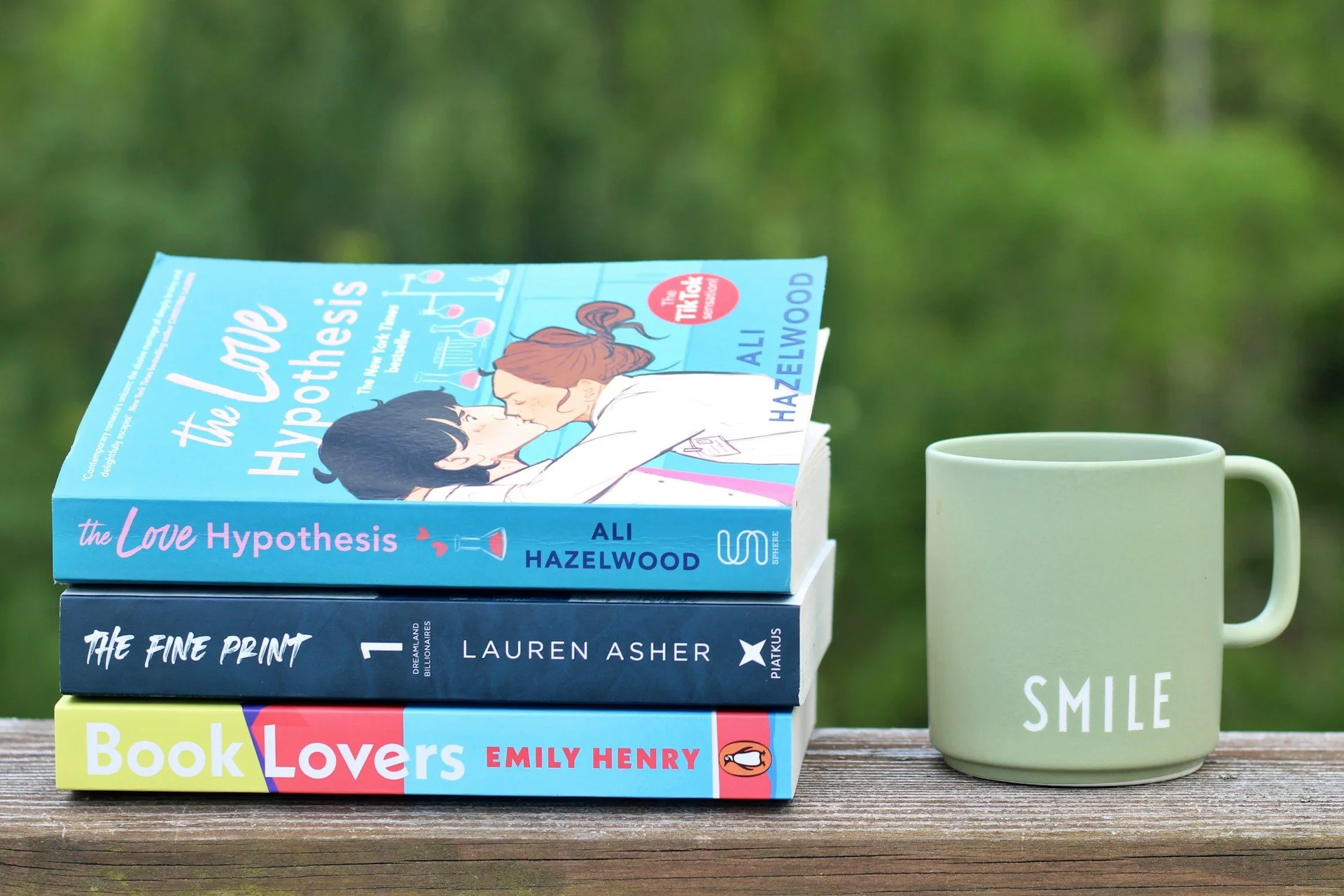
Romance is consistently the highest-earning fiction genre in North America, with subgenres including contemporary romance, historical romance, paranormal romance, and the fast-growing romantasy blend. Romantasy, which fuses romantic storytelling with fantasy world-building, is one of the fastest-growing genre categories in 2026, and its success illustrates how hybrid categories can outperform their parent genres by reaching two reader communities at once.
Thriller and mystery are related but distinct. Mystery centres on solving a past crime, and reader satisfaction comes from the unravelling. Thriller builds suspense around a future or ongoing threat, keeping readers in a state of anxiety rather than curiosity. That distinction matters directly when you're selecting Amazon KDP categories, because placing a mystery in a thriller category, or vice versa, puts your book in front of readers who are looking for a fundamentally different reading experience. Novel Software's breakdown of book genres offers a useful reference for the full scope of subgenres within each.
Science fiction and fantasy are often grouped together as speculative fiction, and their subgenres include epic fantasy, urban fantasy, space opera, dystopian fiction, and climate fiction (cli-fi). Climate fiction is worth particular attention: it's one of the fastest-growing genre categories as of 2026, driven by reader appetite for fiction that engages with environmental crisis. A discussion on Reddit's r/books community shows how genre definitions are genuinely contested among readers, which is a useful reminder that genre is a living classification system rather than a fixed taxonomy.
Horror spans psychological horror, supernatural horror, body horror, and gothic fiction. Cover design for horror relies heavily on dark palettes, unsettling typography, and negative space. Getting the visual language right is essential because horror readers are especially attuned to genre signals on a cover. More on that in a moment.
Historical fiction forces authors to choose between strict genre categorisation and literary fiction crossover. That choice affects both cover design and retailer shelf placement, and it's one of the more consequential decisions a historical novelist will make before publishing.
Young adult (YA) and middle grade (MG) are age-category designations, not standalone genres. A YA novel can belong to fantasy, romance, contemporary fiction, or thriller, and this dual classification must be reflected accurately in your metadata. The SCF Library Guide to Book Genres provides a solid reference for how these age categories interact with genre classifications across both fiction and non-fiction.
Non-Fiction Genres
The major non-fiction genres are memoir, biography, self-help, business, history, true crime, travel writing, and science writing, and each carries distinct formatting expectations and reader demographics.
Memoir differs from autobiography in scope and intent. It focuses on a specific period or theme in the author's life rather than a chronological life story, and it employs literary techniques including first-person narrative immersion to create emotional proximity between reader and subject. Memoir is always classified as non-fiction, even when the writing is indistinguishable from literary fiction in style. Our guide to how to write a memoir covers both the craft and the genre positioning in detail.
True crime is one of the fastest-growing non-fiction genres globally, driven largely by podcast and streaming culture. Its crossover audiences, readers who also consume thriller fiction, make it an attractive category for indie authors who can market across both communities.
Self-help and personal development books perform strongly in Canadian indie publishing, with spiritual wellness and mental health subgenres showing consistent growth since 2022.
The Novella: A Contested Middle Ground
The novella occupies a genuinely contested space in genre classification. Typically 20,000 to 40,000 words, it's too long for a short story and too short for a novel, and while platforms like Amazon KDP allow it to be listed independently, genre assignment remains the author's responsibility. The craft and format implications are significant enough that we've put together a dedicated guide to how to write a novella for authors working in that format.
Hybrid Genres: Where the Growth Is
Genre blending is an underserved area in most genre guides, yet hybrid books frequently outsell their single-genre counterparts. Romantasy, cli-fi, and narrative non-fiction (which fuses journalistic research with memoir-style prose) each reach multiple reader communities simultaneously. Authors writing in hybrid territory need to make a deliberate choice about their primary genre for retail categorisation while using secondary genre language in their book description and keyword fields.
How Genre Shapes Cover Design
When you're self-publishing, genre conventions directly dictate cover design choices including colour palette, typography style, and imagery composition. A thriller cover using warm pastels would undermine genre recognition and suppress click-through rates. A romance cover that borrows horror's dark negative space would confuse rather than attract its intended audience.
Colour psychology plays a measurable role in genre-driven cover design: dark blues and blacks dominate thriller and mystery, soft pinks and gold foiling signal romance, and earthy greens are increasingly associated with environmental non-fiction and cli-fi. Understanding these conventions before commissioning your cover is not optional; it's a commercial decision. Our guide on what readers expect when they judge a book by its cover breaks down the psychology behind genre signalling, and what is book design: creating covers that sell explains how effective design communicates genre conventions to your target audience.
Genre Metadata and Discoverability
Genre metadata, including BISAC codes on IngramSpark and category paths on Amazon KDP, must align with your book's actual content and reader expectation. Get this wrong and your book won't appear in the browse categories where your ideal readers are shopping. Our guide to mastering book metadata for Canadian self-publishers covers BISAC selection in detail, including Canadian-specific categories that are available for books with Canadian settings, themes, or Indigenous perspectives.
Genre keywords embedded in a book's title, subtitle, and description also directly affect discoverability in genre-specific reader searches on Amazon, Kobo, and Google Play Books. If you're unsure how to identify and apply the right terms, choosing keywords for print-on-demand books is a practical starting point.
Genre-specific marketing channels differ substantially by category. Romance authors find strong communities on BookTok and Instagram. Business non-fiction authors gain more traction on LinkedIn and through podcast guest appearances. The best self-publishing companies in Canada in 2026 shows how different platforms cater to various genres with specialised tools and distribution options, and how Canadian authors are getting their books in front of readers covers genre-specific marketing strategies in more depth.
Choosing Your Genre Is a Publishing Decision, Not Just a Writing One
Genre isn't a creative constraint. It's a communication contract between author and reader that shapes every downstream publishing decision from cover design to retailer categorisation. Authors who understand their genre's conventions make more confident, better-informed decisions about cover design, pricing, metadata, and which marketing channels are worth their time.
If you're writing in hybrid territory, identify your primary genre for retail categorisation first, then use secondary genre language in your book description, subtitle, and keyword strategy to capture readers from both communities. That approach keeps your metadata clean while expanding your discoverability.
Canadian self-publishing authors who align their genre selection with platform-specific metadata requirements on Amazon KDP and IngramSpark gain a measurable advantage in organic discoverability over authors who treat genre as an afterthought. Our guide to mastering book metadata and the broader context available in understanding the publishing industry are both worth reading before you finalise your category selections.
Foglio Publishing works with authors across fiction and non-fiction genres to produce professionally designed, market-ready books from manuscript to distribution, with bespoke cover design and formatting tailored to the conventions of your specific genre. If you're not sure where your book fits or how to position it for the best commercial result, a free consultation is the right place to start.
Book Genres: Frequently Asked Questions
How many book genres are there?
There is no single definitive count. Most publishing industry references, including Reedsy's genre overview and SNHU's genre breakdown, recognise over 35 major genres and subgenres across fiction and non-fiction. Fiction includes categories like romance, thriller, mystery, literary fiction, science fiction, fantasy, horror, and historical fiction. Non-fiction includes memoir, self-help, biography, true crime, business, history, and travel writing, among others. Age-based categories like young adult (YA) and middle grade (MG) add a further layer of classification that crosses multiple genres, which is why there are two parent genre categories, fiction and non-fiction, but the full subgenre count depends on how granularly you're counting.
What is the difference between genre fiction and literary fiction?
Genre fiction prioritises plot-driven storytelling, familiar conventions, and clear reader expectations. Literary fiction prioritises prose style, character interiority, and thematic complexity, often resisting tidy conclusions. The distinction is primarily commercial and editorial rather than a quality judgement, and many successful books blend both approaches.
Can a book belong to more than one genre?
Yes. Hybrid and blended genres are increasingly common and commercially successful. For self-publishing purposes, authors should identify one primary genre for their main retailer category and use secondary genre language in their book description, subtitle, and keyword fields to capture readers from both communities.
Is memoir fiction or non-fiction?
Memoir is always classified as non-fiction, even when written in an immersive, literary style. It's a true account of the author's lived experience focused on a specific theme, period, or relationship. A fictionalised version of real events would be classified as autofiction and shelved as fiction.
How does genre affect book cover design?
Genre conventions directly shape every element of a cover, including colour palette, typography, imagery, and layout. Romance covers typically use warm tones and elegant serif fonts. Thriller covers favour dark palettes and bold sans-serif type. Mismatched genre design is one of the most costly mistakes indie authors make.
Why does genre matter for self-publishing on Amazon KDP or IngramSpark?
Genre determines which BISAC category codes you select, which browse categories your book appears in, and how the platform's algorithm matches your book to readers. Selecting the wrong category suppresses your visibility in genre-specific bestseller lists and reduces organic discoverability. Our guide to mastering book metadata for Canadian self-publishers covers exactly how to get this right, and Novel Software's genre reference is a useful external resource for mapping your book to the correct categories.

