
Can I Self-Publish for Free? The Honest Guide for Canadian Authors in 2026
Can You Self-Publish for Free? The Short Answer (and the Longer Truth)
Yes, you can self-publish for free. Platforms like KDP, Draft2Digital, and Lulu let you upload and distribute a book at zero upfront cost. But "free to upload" and "free to publish well" are not the same thing, and that gap is where most first-time authors quietly lose their launch.
Here's how the economics actually work. Amazon KDP pays 70% royalties on ebooks priced between $2.99 and $9.99 USD, but that rate drops to 35% outside that range. Print royalties vary significantly by trim size and page count, and KDP deducts per-page printing costs before you see a cent. Draft2Digital distributes to 40+ retailers, including Apple Books, Kobo, and Barnes & Noble, with no setup fee at all. Instead, it takes a 10% commission on each sale for the life of the book. Neither platform charges you anything to get started. Both platforms make their money when you make yours.
So what's the real cost of going free? It's invisible at upload time. It's the cover that doesn't convert browsers into buyers at the thumbnail level. It's the formatting that triggers early returns when a reader opens chapter one on their Kobo and finds broken spacing. It's the metadata that's generic enough that your book never surfaces in retailer search results. And it's the discoverability gap that opens up six weeks after launch when sales plateau and there's no clear explanation why.
Canadian authors do have one genuine advantage that their US counterparts don't: ISBNs are completely free through Library and Archives Canada. US authors on paid ISBN plans spend $125 USD per single ISBN or $295 for a block of ten from Bowker. In Canada, you can own your identifiers, distribute across any platform without lock-in, and keep full control of your publishing entity. That's a real structural benefit worth understanding before you upload anything.
As the best self-publishing companies in Canada for 2026 overview shows, the landscape of platforms and services available to Canadian authors has expanded significantly. And as the rise of self-publishing makes clear, this industry has shifted from a fringe option to the dominant path for independent authors. The tools are genuinely better than they've ever been. The question is what "free" actually gets you, and where it stops.

What First-Time Self-Publishers Actually Run Into When They Go Free
The friction usually starts with the cover. KDP's free cover creator uses templated layouts, and experienced book buyers, librarians, and algorithm-trained readers recognise those templates immediately. The perceived credibility of your book drops before the first page is read. Cover design accounts for roughly 50 to 55% of a reader's purchase decision at the point-of-sale thumbnail view on Amazon or Kobo, according to multiple bookseller and author surveys. A template cover is a conversion problem before it's anything else. If you want to understand what good design tools look like before paying for anything, the guide to cover design tools for self-publishers in Canada is a practical starting point.
Interior formatting causes its own damage, and it's less visible but just as damaging to sales. Amateur typesetting in print books produces widows and orphans, inconsistent leading, incorrect margins, and gutter spacing that doesn't account for binding. Readers don't always articulate what's wrong. They just say the book felt cheap or was hard to read, and that's what ends up in the review. Why typesetting quality directly affects reader experience walks through exactly how those technical problems translate into reader perception, and it's a useful read before you decide whether formatting is worth DIY-ing.
Platform complexity adds another layer. IngramSpark, which is the most powerful distribution network for getting books into physical bookstores and libraries, introduced a free publishing tier in recent years. But it still charges per-title setup fees for print, $49 USD per title as of 2026, unless you've accessed it through a specific partner programme. That detail isn't prominent on the pricing page. Lulu's free plan gives you global print-on-demand access but doesn't include Amazon or major retailer distribution without either a paid Global Reach plan or an author-supplied ISBN. And authors who still have legacy Smashwords accounts from before the 2022 merger with Draft2Digital need to migrate their metadata actively. Inaction causes titles to lose retailer slots without any notification.
Canadian-specific friction adds to this. Platforms like KDP default to US tax forms. If you don't file a W-8BEN form correctly, 30% of your US royalties are withheld by default under IRS rules. Most free-platform onboarding guides don't explain this clearly, and many Canadian authors discover the withholding issue only when they check their first royalty statement.
There's also the time cost. A first-time author using only free tools typically spends between 60 and 80 hours across formatting, cover attempts, metadata research, and platform troubleshooting. That's time that isn't spent writing the next book. And authors who publish without an editor regularly discover structural problems post-launch, after reviews are live and the launch window has closed, with no cost-effective way to recover momentum.
One more Canadian-specific note: once annual self-publishing income crosses $30,000 CAD, GST/HST registration becomes mandatory. That threshold affects how you manage expense deductions and how you invoice Canadian service providers. It's a detail that free-platform guides consistently skip.
Breaking Down Every Major Free Platform: What You Actually Get (and Don't)
Amazon KDP has no setup cost and supports print-on-demand for both paperbacks and hardcovers. The 70% ebook royalty applies within the $2.99 to $9.99 USD price window. Outside that window, it drops to 35%. KDP Select, the optional exclusivity programme, locks your ebook out of Kobo, Apple Books, and other retailers for 90-day windows in exchange for Kindle Unlimited eligibility. Whether that trade-off helps or hurts depends entirely on your genre and existing readership. What KDP doesn't provide is cover design support, editorial services, or print quality review. You supply the files; KDP prints and ships.
Draft2Digital is genuinely free to start. It distributes to 40+ ebook and print retailers with a 10% revenue share and no upfront fee. It includes basic formatting tools that can convert a Word document into a clean ePub, which is useful. It doesn't offer cover design, editorial services, or a print quality review process. The 10% commission runs for the life of the book, and over thousands of sales it compounds into a meaningful figure. But for authors who want wide distribution without upfront fees, it's the most practical free option available.
Lulu's free tier gives you global print-on-demand access and a free author storefront. Amazon and Ingram distribution, however, require either a paid Global Reach plan or author-supplied ISBNs. Print quality on Lulu is solid for text-heavy books but inconsistent for books with heavy image content, a limitation that matters for illustrated children's books, art books, or heavily designed non-fiction.
IngramSpark is the most powerful distribution network available for getting a book into physical bookstores and Canadian libraries. But standard setup fees of $49 USD per print title and $25 per ebook apply outside specific partner arrangements. File requirements are among the strictest in the industry. If you're accessing IngramSpark independently for the first time, expect a learning curve with cover templates, bleed requirements, and spine-width calculations.
Canadian ISBNs via Library and Archives Canada are completely free, assigned in blocks of 10 or 100, and owned permanently by the author. Unlike KDP's free ASIN-adjacent identifiers, a Library and Archives Canada ISBN works across any distribution channel without platform lock-in. It's the single most important administrative step a Canadian author can take before uploading anywhere.
The cost comparison is worth being direct about. The true free path, a DIY cover via Canva, a self-formatted Word document, and a KDP upload, costs nothing upfront. A professional path that includes bespoke cover design, professional typesetting, ISBN assignment, and distribution setup costs roughly $800 to $2,500 CAD. Professional books consistently achieve three to five times higher conversion rates at equivalent traffic levels. That gap closes the upfront investment faster than most authors expect.
One technical issue that catches many authors using Canva for cover design: the default colour mode for screen-based design tools is RGB, not CMYK. Printed books require CMYK colour profiles. Uploading an RGB cover file to a print-on-demand service produces visibly duller colours on the physical book than what appeared on screen. Understanding why CMYK matters for print cover files before you design anything saves you from reprinting. And if you're thinking through paper choices, print formats, and how those decisions affect your production budget, the guide on how paper choices and edition types affect your production budget is worth reading before you set your trim size.
Finally, Canadian bookstore distribution through Indigo or independent retailers requires an Ingram account with a trade discount set between 40% and 55%, plus a returnable policy. That path isn't available through KDP alone. It requires IngramSpark access or a publisher who manages that relationship on your behalf.
How to Get the Most Out of Free Publishing Tools Without Sinking Your Book
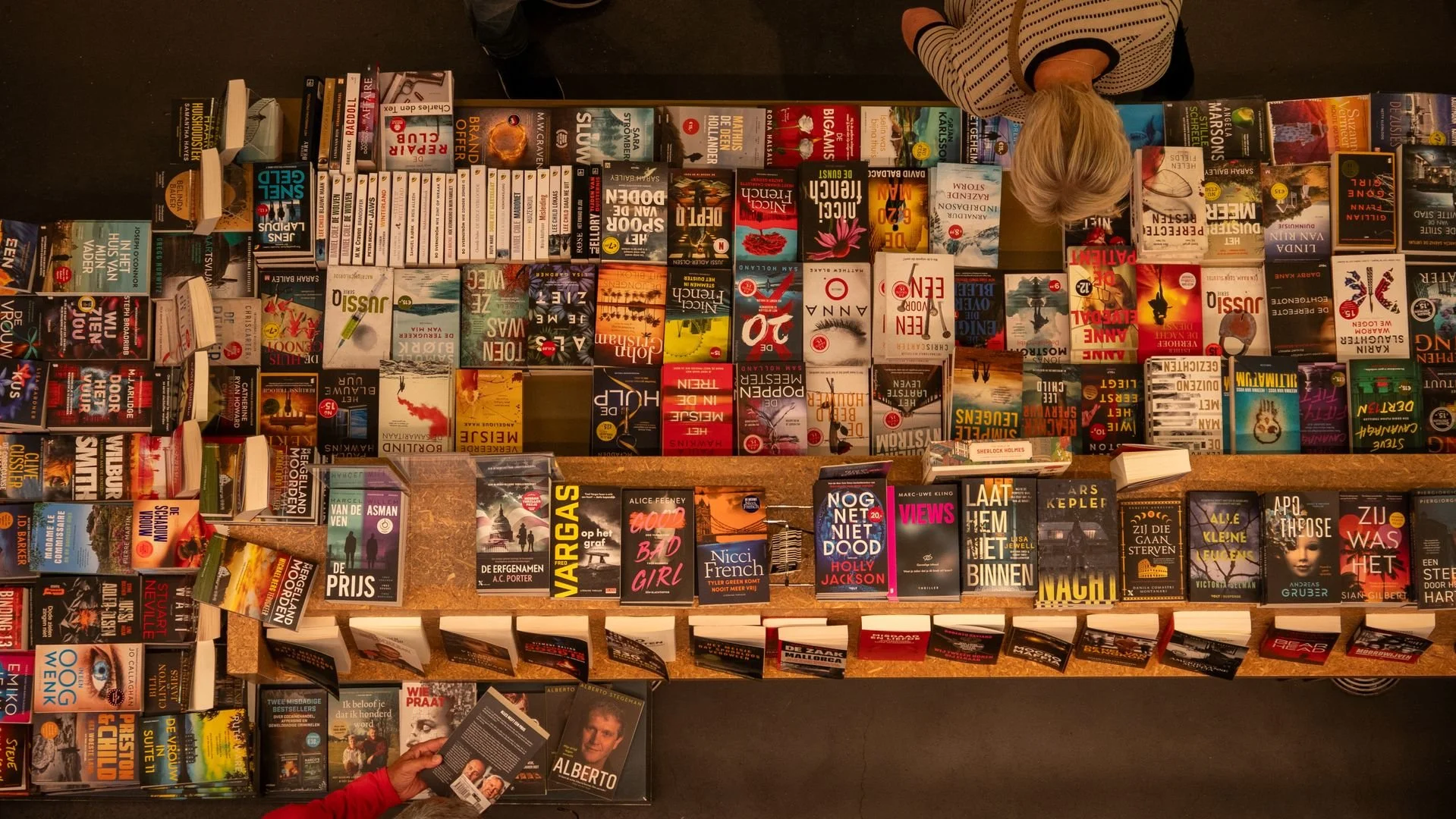
If you're committed to the free path, there are ways to do it with fewer avoidable mistakes.
Start with your ISBN. Apply for your free Canadian ISBN block from Library and Archives Canada before uploading anywhere. The process takes about 10 business days. Owning your ISBN from the start means you're never locked to a single platform, and you can move your book to IngramSpark, Draft2Digital, Kobo Writing Life, or any other channel without starting over with a new identifier.
For ebook formatting, use Draft2Digital's free formatter to generate a clean ePub file, then review it in both Kindle Previewer and Adobe Digital Editions before submitting anywhere. These two apps render ePubs differently enough that reviewing in both catches layout errors that only show up in one environment. Catching those errors before upload prevents the reading experience that triggers early returns and one-star reviews about formatting.
If you're designing your cover in Canva, always export as a PDF with bleed marks at 300 DPI. Then convert the colour profile to CMYK in Adobe Acrobat or a free conversion tool before uploading to any print-on-demand service. The on-screen design will look identical; the printed result will not.
For print interior margins, don't use a generic template. Use the spine-width calculator provided by whichever platform you're uploading to. A 300-page paperback on KDP requires different gutter margins than the same book on IngramSpark because the two platforms use different binding tolerances. Getting this wrong produces a book where the inner margin text is partially hidden in the spine.
Order a physical proof copy before going live. On-screen PDF previews consistently miss issues with font rendering, image halftoning, and paper opacity. Those problems are immediately obvious the moment you hold the book in your hands.
For memoir writers, the guide on publishing a memoir in Canada covers the structural and editorial considerations that affect how those books perform with readers and reviewers. For shorter works, formatting and publishing a novella addresses the specific challenges of shorter-form fiction in a market built for novel-length books.
One practical note on page count: perfect binding requirements for self-published paperbacks vary by printer. Most print-on-demand services require a minimum of 80 to 100 pages for a perfect-bound trade paperback. Authors of shorter works should either plan for saddle-stitch binding or design their front and back matter to meet the page minimum.
Also register your title with Library and Archives Canada's Legal Deposit programme. It's free, creates a permanent national archive record, and supports library acquisitions. It's a credibility signal that costs nothing and takes about 15 minutes to complete.
Where Free Stops Working - and What Canadian Authors Do Instead
The moment most authors abandon the free path isn't at upload. It's six weeks after launch, when sales have plateaued at under 10 copies and there's no clear diagnosis of what went wrong. Is it the cover? The back-cover copy? The pricing? The category selection? The writing itself? Without professional input at each stage of production, there's no way to isolate the variable.
Authors who invest in a professional cover before launch consistently report better click-through rates in Amazon and Kobo search results. The cover is the single highest-leverage production investment available to a self-publisher, because it's the first filter a reader applies before reading a single word of your description.
The launch window matters more than most first-time authors realise. A book that launches with a professional cover and clean typesetting captures reviews and algorithm momentum in its first 30 days. A relaunched or updated book, even one that corrects every production problem, can't replicate that momentum. The algorithm doesn't reset; it compounds what already happened.
Foglio Publishing's done-with-you self-publishing services are built specifically around this problem. Rather than leaving authors to navigate a ticket system or read through platform FAQs, Foglio's model means a named expert, Michael Pietrobon, works directly with each author through cover design, typesetting, editing coordination, and distribution setup. Every project includes multiple revision rounds for both the cover and the interior, because a book is a creative project, not a file-processing job.
For Canadian authors specifically, Foglio handles the ISBN application, GST/HST guidance, IngramSpark setup for Canadian bookstore distribution, and file preparation for both KDP and Ingram. What's typically a 12-platform research project becomes a single guided workflow. A free consultation gives authors a clear scope and budget picture before committing, so there's no risk of paying for services they don't need while making sure the elements that actually drive sales are handled professionally.
Frequently Asked Questions About Free Self-Publishing in Canada
Q: Can I self-publish on Amazon KDP for completely free?
Yes. Uploading an ebook or paperback to Amazon KDP costs nothing upfront. There are no setup fees, and KDP generates a free ASIN/ISBN for your print book. However, this free ISBN is Amazon-owned and cannot be used on other platforms. You also receive no cover design, formatting, or editing support. KDP earns its revenue through royalty splits: 35% on ebooks outside the $2.99 to $9.99 price band, and a per-page printing cost deducted from each print sale.
Q: Are ISBNs free in Canada?
Yes. Canadian authors can apply for ISBNs at no cost through Library and Archives Canada. ISBNs are issued in blocks of 10 or 100, remain the property of the author or publisher permanently, and can be used across any distribution platform, including IngramSpark, KDP, Kobo Writing Life, and Draft2Digital. This is a significant advantage over US authors, who must purchase ISBNs from Bowker.
Q: What is the real cost of 'free' self-publishing?
Free self-publishing platforms charge nothing at upload, but the costs emerge in lost sales. A templated cover reduces click-through rates in retailer search results. Poor typesetting triggers early reader returns and negative reviews. Missing or weak metadata buries your book in search algorithms. And without editorial support, structural problems in the manuscript go live. The hidden cost isn't money paid to a platform; it's the sales and reader trust never earned because the book didn't look or read professionally.
Q: Can a self-published book get into Canadian bookstores if published for free?
Not easily. Canadian bookstores, including Indigo and independent retailers, order through distribution networks, primarily Ingram. To be stocked, your book needs a valid Library and Archives Canada ISBN, an IngramSpark listing with a trade discount of at least 40%, and a returnable policy. KDP-only books aren't visible to Ingram's ordering system. Authors wanting Canadian retail distribution need IngramSpark access, which carries setup fees outside partner programmes, or a service that handles that setup on their behalf.
Q: Is Draft2Digital actually free to use?
Draft2Digital has no upfront fees and no monthly charges. It distributes your ebook to 40+ retailers including Apple Books, Kobo, Barnes & Noble, and OverDrive, and takes a 10% commission on each sale. For print, Draft2Digital Print is also available with no setup cost. The tradeoff is that the 10% commission compounds over a book's lifetime, and Draft2Digital provides no cover design, typesetting, or editorial services. Authors supply print-ready files.
Q: Does self-publishing for free affect how readers perceive my book?
Significantly, yes. Reader perception research and bookseller data consistently show that cover design is the primary driver of purchase decisions at the thumbnail level, where most online browsing happens. Books formatted with consumer word-processing tools rather than professional typesetting software show inconsistent spacing, poor hyphenation, and layout issues that signal "amateur" to experienced readers. These quality signals affect star ratings, return rates, and word-of-mouth, all of which determine long-term sales far more than the upfront cost of professional production.
Q: What do Canadian self-publishers need to know about GST/HST?
Canadian self-publishers who earn over $30,000 CAD annually from their publishing activity must register for a GST/HST number and collect tax on applicable sales. Book sales to Canadian readers are generally zero-rated for GST/HST purposes, meaning tax isn't added at the point of sale, but input tax credits on business expenses like editing, design, and printing can be claimed once registered. Payments from US platforms like KDP aren't subject to Canadian GST, but they are subject to US withholding tax under W-8BEN treaty rules. Filing the W-8BEN form correctly reduces withholding from 30% to 0% for Canadians under the Canada-US tax treaty.

